Our Fall 2017 issue, FLAPPERHOUSE #15, won’t fly until Friday, 9/22, but today we’re offering a taste of all the menacing weirdness we have in store with “Drought,” an eerily surreal & fable-like work of flash prose by Kim Coleman Foote.
THIS YEAR, BEFORE NIGHT RUSHES IN, WE AWAIT THE RIGHT MOMENT. When sky turns cyan and a breeze chants in the air, against our ears. When sky turns grey, erasing sun rays and hinting at rain, which hasn’t appeared in months.
Everyone in the area tenses upon their chairs, hoping to be agents in a new rite, begging Mother Nature to grant us those liquid grains from her atmosphere. We cant and cry, hoping she’ll hear us, when a gay gent strolls amongst us, stroking the cat on his shoulder. He lifts his thin legs like a crane then breaks into a canter. Some gather their young in fright. He tears off his hat, exposing a halo of hair, rants about how in this age, it is our hate that keeps Her from cooperating.
When an old hag jumps from her seat, we grit our teeth. She rages at the man, spittle staining her chin like tinea, her breath stinking of gin. She claims that the gates of the moon shall open to anyone who hasn’t tired of life’s mysteries.
The man grins the whole time. The cat has changed to a hare eating hay (some say it never was a pet but a rat disguised in rags).
Aside: don’t attempt to tag this as fiction; reality, in actuality, is fraught with much more strangeness.
MY WIFE AND I HAVE BEEN DREAMING THE SAME DREAM; we wake up at the same time these days, thirsty, sweat-drenched, frightened. In the dream, we are walking the streets of the town where we grew up—different towns but the same feeling. We are walking the streets alone. We go into a bar we have never seen before, always the same bar, dimly lit, with red glass lanterns on the walls. A person opens up a hidden door in the back which leads down down down down down down down down down down.
We wake up at the same time, ashamed, confused, sick, unable to fall back to sleep. Sometimes, after the dream, we watch internet TV until dawn; sometimes we lie in the darkness, pretending to sleep, not talking. Sometimes we curl up together silently, like snakes. This is a metaphor for our relationship. We are both plunging into darkness equally, privately, even as we fall more in love. We sleep together, we wake up together, we share everything, and still the dark is rising.
When we die, we want to die together. We want to be in bed when a hurricane strikes our small coastal town; our room will collapse around us, crushing our bodies in equal measure. We are terrified that this will not happen, that one of us will be unlucky and somehow survive, that one of us will be left behind in our ruined house.
At our dinner party tonight, my wife sits between her two friends, one arm over each friend; she puts her feet on our coffee table and leans back. I pour the women more tequila because that’s what they have been drinking.
I take the men into the kitchen with me, and two of us smoke cigarettes out the window. My friend Max washes a few dishes. Everything in the kitchen is covered in a thin layer of grease because of the pork belly from dinner. Max has a joint in his hand for some reason, and we are smoking it, and we open some more beers.
I sit on the floor of the living room for a long time. The women on the couch finish off the bottle of tequila. The pipes rattle wildly in the corner as if they are about to explode. It is winter. Someone puts a Slayer record on, and it is brutal and it is lonesome; everything is moving too quickly.
Soon my wife is asleep on her friend’s lap, and I’ve had enough. I say it’s time to go. When everyone is gone, I carry my wife to our bedroom, and I fall asleep as quickly as I can. I do my best, but by the time I wake up, half drunk, covered in sweat, my wife has been awake for nearly an hour, alone in the darkness, crying. When you die, she says, when you die—I tell her I am sorry. It’s because of the party, I whisper in the darkness—you went ahead of me, and I wasn’t able to follow you.
The lives of a father-and-son clairvoyant act are turned upside-down by the arrival of a mysterious woman in “Sudden Sight,” Edna McNamara‘s seductive short story from our Summer 2017 issue.
{ X }
I WATCHED MY SON MAKE A FOOL OF HIMSELF IN THE WET HEAT of a June night somewhere outside of Lewes. Under the wings of a drooping tent, Billy larked about on the stage pretending to be talented. Pretending to be a first-class mind reader. Pretending to be me—though at 17, he’d set himself an impossible task. Unlike my performance, his routine lacked style and refinement, despite having followed me up and down the East Coast as the lesser half of The Clairvoyant William Asgard & Son. He’d been listening to my patter since his birth at the end of ‘14 but still hadn’t cottoned on. That evening I’d offered him a golden opportunity, yet there he was, the buffoon. People laughing in his face.
“La-Dees and Gen-Tel-Men.” In his spit-shined boots, Billy swayed, one tetchy foot to the other. He gawped, plucked at his third-hand suit. “I will now read the mind of a member of this audience. Someone come on up here next to me.” Like a bad waiter, he flapped at a chair on the stage while mumbles rolled through the crowd. “I promise it don’t hurt, folks.”
Maybe thirty or so lounged on their small-town backsides in the tent we’d rented from an evangelist with a sore throat. A good deal for a rainy night. Trapped under the canvas, I saw shadows quiver with bugs killing time, waiting for an opportunity. The Lord only knew what infections and fevers these folks’d carry home as souvenirs. Like the preacher man said, He moved in mysterious ways.
And there was Billy, working himself up. “You, sir?” He pointed to a man stuffed into a yellow shirt and red suspenders. “No? How about the pretty girl on the side there?” His hand swept the tent. “I guarantee you’ll be amazed.”
No one looked put out by his low-class tricks. We charged little, enough to cover room and board in a cut-rate hotel. Times were hard here along the Delaware coast. Hell, times were tough all over. Almost two years since the market crash in ‘29, folks were just trying to keep their families together. Feed them. Find jobs. Have a good time, laugh. And Billy pulled them in. My son’s a nice boy, easy on the eye. Shorter than most but no noticeable defects. Blond and blue-eyed, he took after his mother.
“Come on, folks,” Billy tried again. Like kids at Sunday school, the crowd giggled and poked each other, but no one volunteered. Sweat bowled down my spine as I bore the heat of the godforsaken tent, and even the yellowed grass below my feet had given up the Holy Ghost. The air oozed with the stench of farmers fresh from the barn. Housewives in dull cottons smelling as sharp and bitter as their dung-spattered men. Why in the hell had I chosen this place?
Still, no one moved. I pondered yelling fire until a woman stood up.
“Thank you, miss, step right up.” With a grin like he’d been saved, Billy slapped his palms together. “Let’s give this lovely lady a hand.”
My first glimpse of her, she was dainty. Skirt gathered in a gloved hand, she climbed to the stage with an eye-catching waggle. Older than Billy, maybe ten years younger than me, but within kissing distance of 30. Some might have thought her pretty with her satiny dress, her neat little hat and purse, but I was partial to a certain type. I decided to watch and see.
Billy stepped forward. “May I have your name?” A tough breeze hustled through the flapping tent and chewed up her words. To hear better, I strolled to the side of the stage where her perfume sugared me like a twirl of cotton candy. She cocked her head and repeated her name. “Miss Eliza Reynolds.” I swear she batted her painted eyes.
“Your hand, Miss Reynolds.” Billy led her to the chair in the center of the stage. “Now, close your eyes. I promise it won’t hurt.”
That’s when I saw him look at the woman. Look at her as if sudden sight’d galvanized a blind man. Like he’d realized that there, her hand clutching his, sat an honest-to-God real live woman. Despite my help, Billy’d always been a bit backward in picking things up. Or so I’d thought.
AFTER THE END, I’LL JUST KEEP FLINGING my musings into the void.
I don’t watch the news—well, I sort of do. More accurately, I don’t listen to the news, I just keep it on TV, on mute, in case of apocalypse.
My love’s a $10 bill you forgot to take out of your pants before you ran it through the laundry; it’s all stiff & crinkly now but it’ll still buy you a drink.
My soul’s a dreaming dachshund napping in the sun, twitching its paws & chomping at ephemeral squirrels.
My moral compass led me to a treasure map hidden behind a Sugar Ray poster in the Tulsa Hard Rock Café.
Thoughts collide & scrape inside me
like a rusty clusterfuck,
they twitch & blister as they spread their pox across Long Island Sound.
Sighs of anguish, howls of glee
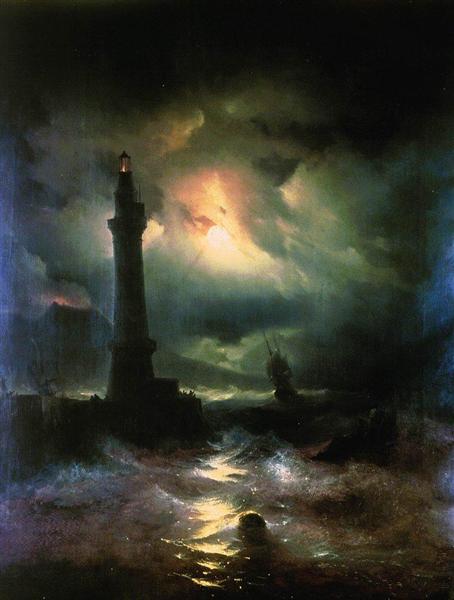
are chiming through my lighthouse home,
they somersault like feisty leprechauns
across Long Island Sound.
Shit, I just remembered a field trip’s coming to tour my lighthouse tomorrow—gotta Febreze everything & hide all my Egon Schiele paintings!
Gonna spend the weekend booby-trapping the windmills of my mind, scrubbing all the Zinfandel stains out of my Metallica T-shirts, and constructing elaborate dioramas based on my most memorable childhood humiliations.
Tonight I’ll be hanging my silky new hammock in the toasty sliver between honest mistake & reckless abandon. I’ll build a fortress from coarse, lint-spangled pillows in the slender valley between false hope & unconditional surrender. I’ll be twitching atop the border of judicious heightened sensitivity & insufferable over-sensitivity.
NO CHECKERED FLAG FOR ME as carsick I cross the divide the
closest there is on this side of town to a demilitarized
zone between the living & the dead I watch an obese
woman lean over a gravestone drawing thru straw unmarked cup stomach
turns liver face up kidneys & jelly knees I’m not sure if we’re
even related in the chapel outrageously symmetrical floors a big brave
fuck you to disorder take that death/ now I need to learn real fast how
to hug a man you know the type strong concrete beer-gut good humor
lives at the race track fresh oil change eyes
bends left in grief we’re all of us staring at the body burping up
lies how beautiful the blouse is & happy but she looks
terrible I mean what sick roughshod imitation of life is this/ well, case:
roadblock anatomy weird ditches around lips those teeth
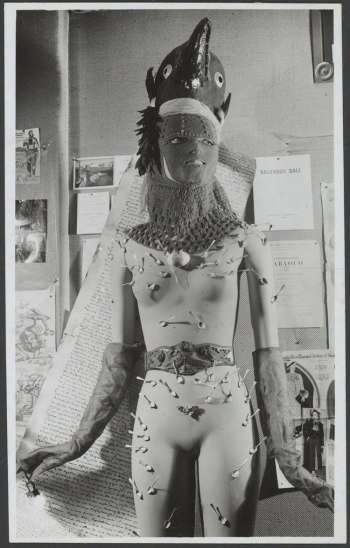
pushing eager like I did my time let me out Dali
clock ears & nose in eternal flux of smelling obscene
smell (that’s formaldehyde baby & it’s gonna
cost you) it just doesn’t add up, face erasure the glasses
for everyone else’s sake & you’d be kidding
yourself to think otherwise/ old man
shoulders quivering now saying how he
fell asleep by the casket & dreamt I thought she & I’d just hop right up & get out of here. & it hits me then
the flowers shitty carpets canned flute music CD & pickled
grief repeating void whistling closed inside the straw why even
pretend/ I’m no iron stomach is the woman at
the gravestone dead yet am I a fucking mannequin how will
death animate me fuck all the post-haste posthumous let’s just
go for a joyride you & me/ get younger while the time is ripe
{ X }
IAN KAPPOSwas born and raised in Northern California. To date, over thirty of his works of short fiction, nonfiction and poetry have been published online and in print. He plays in the hardcore punk band Cross Class and co-edits Milkfist, and is an MFA candidate in the School of Critical Studies at California Institute of the Arts. He maintains a website at www.iankappos.net.
The iconic pop artist experiences a poetic rebirth in “Hope Springs Eternal, or: The Reincarnation of Andy Warhol’s Soul,”Ron Kolm‘s delightfully surreal contribution to our Summer 2017 issue.
{ X }
THERE’S A SLIGHT DISTURBANCE
Among the potato chips
In a pink Tupperware bowl
Sitting on a wooden picnic table
At a Baptist prayer meeting
In Fort Wayne, Indiana.
Now this particular disturbance
Is not man made, nor is it
An act of Nature; it is, in fact,
The awakening of Andy Warhol’s
Reincarnated soul.
What the Hell, Andy thinks,
A potato chip? I silk-screened
Monroe for this?
The guys at the Factory
Assured me I’d come back
As the hippest thing possible
But a potato chip?!
Now, it’s nitpicking
In the extreme
But we should note
That Andy Warhol
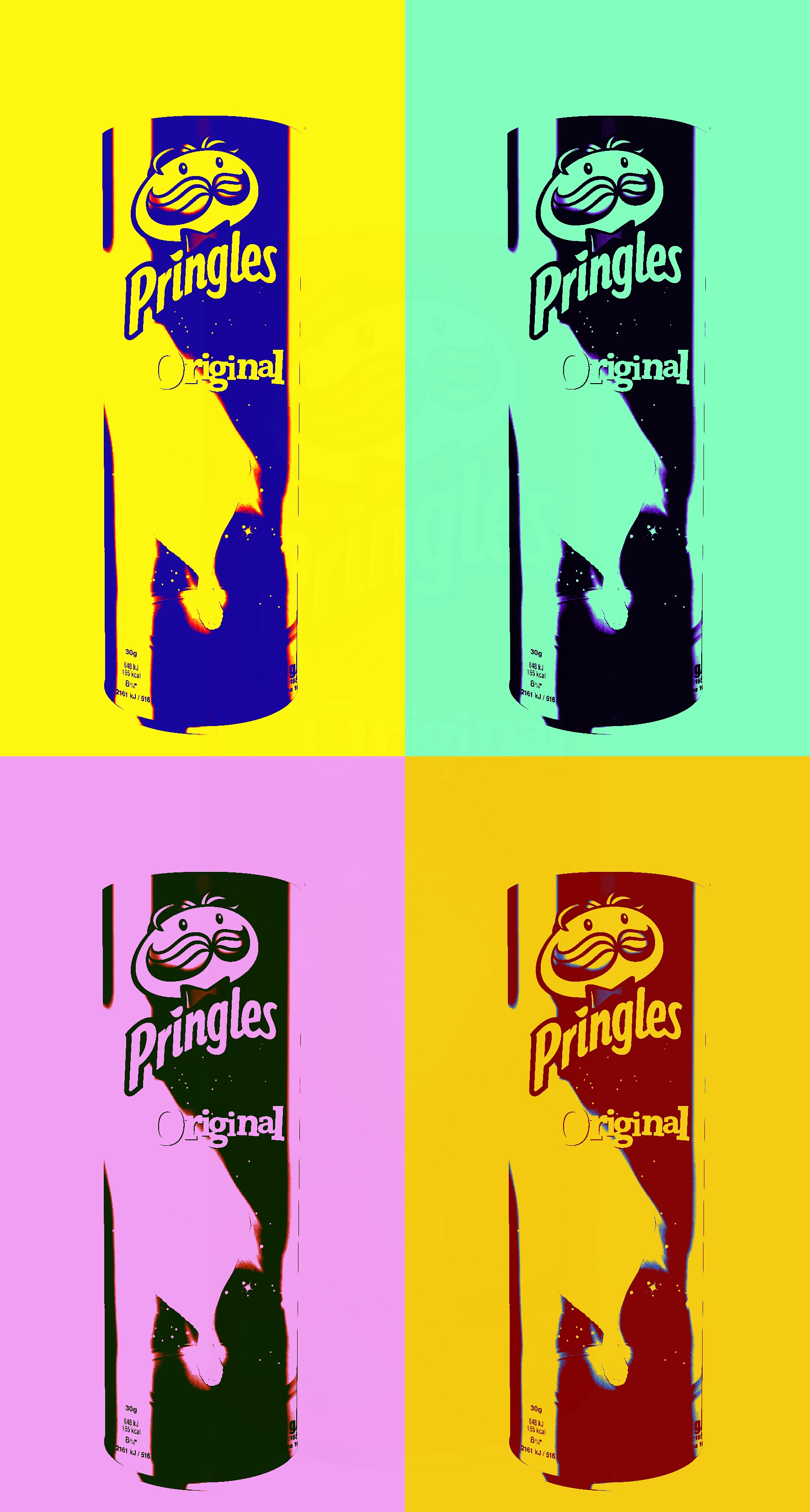
Returned as a Pringle,
Not as a real potato chip, a detail
That would have delighted him
In his previous incarnation.
The afternoon wears on,
And one by one his companions
Disappear; Lou, Holly, Baby Jane,
Gerard, Viva, and, yes, even
little Edie — until Andy
Is the only chip remaining.
Please let me come back
As a roll of aluminum foil
Next time, he prays,
As the shadow of a large,
Calloused Baptist hand
Blots out the sky above.
I’M NOT GOING TO TELL YOU doped and thick
not going to kill you old shouldered
red incense red saints
but Paris was one of my places
where they kept saying seaweed and ketamine and what is the name of your station?
Delusion is one kind of service
and beauty is truth in drink and black roots.
Harlouche stories are blue
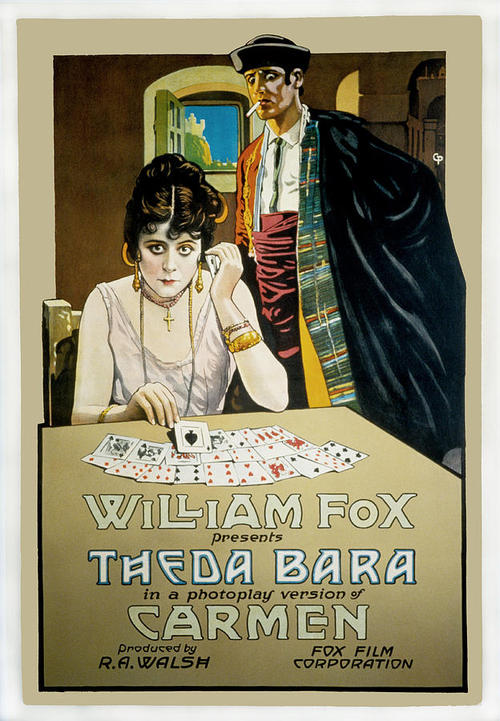
Theda Bara reading your Tarot through three generations
transmuting frustration-green snakeskin
around her an aura of snow.
Step down/open up an era of bad on both sides
New York City an ice blue Saturday night.
Move through the store w/ your blue eyes on top
tableted paper or pills. Figure out Marilyn
in front of the falls or the fog.
The world was so friendly the bridal veil slick
her walk opening up
but what is your signal?
We weren’t the brownettes throwing shoes or preserving
the notion of marriage
flickering cocaine and vanitas into each other
how Baby moved in her sailor blouse
transmuting Vs toward rot at the altar
wouldn’t drown out in her white fur at night
and so what if it was puppetry
kabuki and pretty when they kept saying we can’t believe Harlow’s no more and what are we doing it for?
Note: A few phrases in this poem are taken from page 317 in the sixth edition of the Radio License Q & A Manual by Milton Kaufman (New York: John F. Rider Publishing, 1957).
{ X }
JESSIE JANESHEK‘s second full-length book of poems is The Shaky Phase(Stalking Horse Press). Her chapbooks areSpanish Donkey/Pear of Anguish(Grey Book Press, 2016),Rah-Rah Nostalgia, (dancing girl press, 2016), Hardscape(Reality Beach, forthcoming), andSupernoir (Grey Book Press, forthcoming).Invisible Mink(Iris Press, 2010) is her first full-length collection. She holds a Ph.D. from the University of Tennessee-Knoxville and an M.F.A. from Emerson College. You can read more of her poetry atjessiejaneshek.net.
After their parents’ deaths, three sisters reunite & resurrect some unsettling secrets in “Birdland,” Julia Dixon Evans‘ unforgettable short story from our Summer 2017 issue.
{ X }
MY SISTERS ARE DUE ANY MINUTE. A rush of birdwing-flap overhead, the shadow of their cloud. Migrating sandpipers maybe, or golden plovers; I am a bit rusty these days. It’s cold out, the sun still up but June always seems like the wintriest month we have here: moody and overcast, unpredictable, twenty degrees cooler at night than at noon. Bits of crabgrass fall from between my fingertips and thumb. I rub them together like a chef dusting rubbed salt over a pan and that metaphor probably means I’m the salt, ground up and rubbed to within an inch of my life so that whatever’s in the pan has a better time of it.
I wait for more birds. I wait for my sisters. This is all I have.
When we first took over the mortgage on this house it seemed like the best idea. Our parents, dead younger than anyone expected, left us an unfinished mortgage, anemic life insurance policies, and a disastrous filing cabinet full of 5% useful documents about their finances and 95% shit that should have been shredded ten years ago. The worst part about their death was being annoyed by them because of this. I just wished they’d give me some time to miss them. It sometimes feels like they died forever ago, not four months ago. It sometimes even feels like it’s still happening.
Sarah is the oldest, the wildest. She’s thin and tall, disarmingly brilliant, and she’s mean. Louise is the youngest, the kindest, the timid one. She’s built like me, which is to say: not thin, not tall, not disarmingly brilliant, not mean. I usually can’t stand Louise.
Next to my sandals in the grass there’s a can of strawberry soda. I stopped drinking soda ten years ago (for Lent, for superiority, for the squishiness around my stomach) but it’s all my parents left in this house. Soda and five or six bottles of expensive whiskey with only an inch left each. I lift the can up, a straw in the metal hole, and drink until the straw rattles with empty. I turn my back to the late sun in the hope that it’ll warm me more. Last night when it was also cold, I sucked Rafael’s dick in my car and he loved me and grabbed at my stomach and said what does it feel like to have someone this into you? and today he said I think I hate myself when I’m with you.
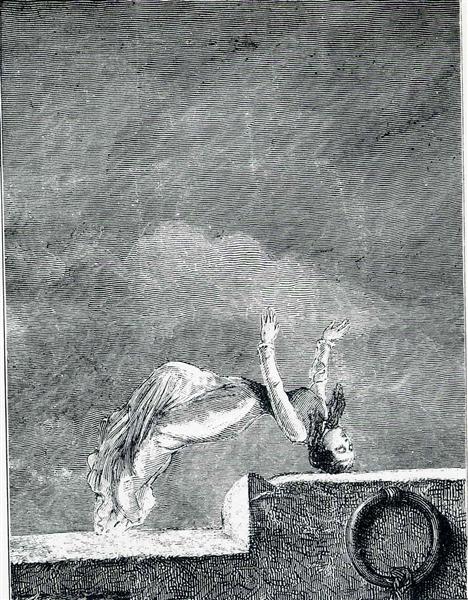
SHE IS FALLING DOWN from a height of 30,000 feet to the thoughtless land where she has served as a careless agent. Someone whom she has never known betrayed her and bombed the airplane. Watching her colleagues being carbonized in every second, she wonders whether the thread of her white silk dress is longer or shorter than 30,000 feet. The hem of the dress was cut by a broken glass when she was thrown out of the window. The glittering thread is being unweaved in every second. At a height of 20,000 feet, her butt has already been exposed. At 5,000 feet, she starts shaking with cold. In her eyes, thousands of old spires grow bigger and bigger. Her grief and shame reach a height of 30,000 feet along the white silk thread.
An hour later, she is still falling down while the coroner pours her brain tissue into a small cup.
 FLAPPERHOUSE